
How to Improve Your Heart Health: 5 Important Tips You Can Use Today
Your heart works continuously throughout your life, pumping oxygen- and nutrient-rich blood throughout the body. It is one of the hardest-working organs in the human body, supporting every other organ and tissue with the blood flow they need to function.
Heart disease remains a major global health concern. Several factors can gradually increase cardiovascular risk, including high blood pressure, unhealthy eating patterns, physical inactivity, smoking, poor sleep, excess body weight, and metabolic conditions such as diabetes.
The good news is that many everyday habits can support better heart health.
Here are five important areas to focus on.
1. Build a Heart-Healthy Diet
Nutrition is one of the most practical places to begin when improving cardiovascular health.
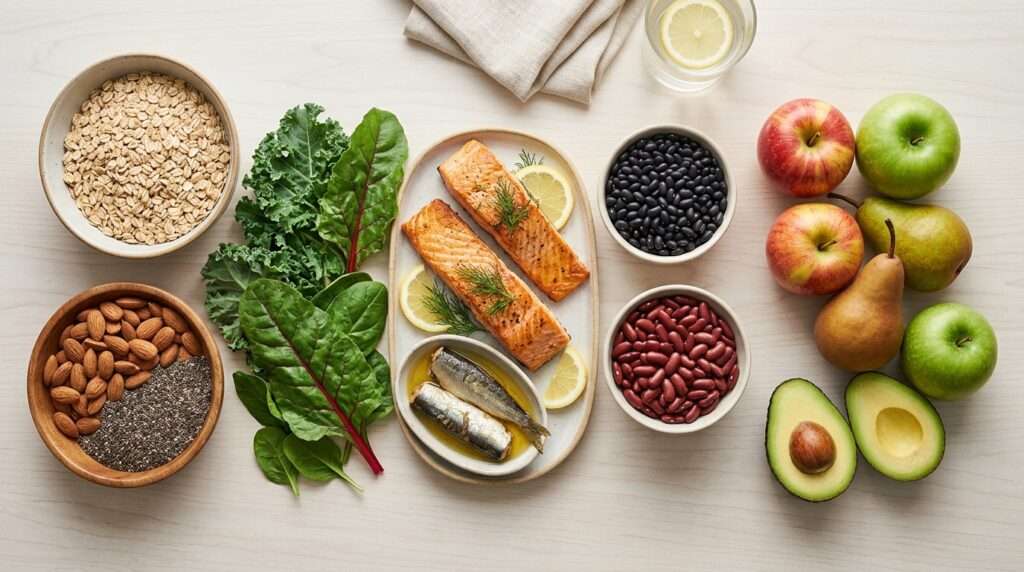
A heart-conscious eating pattern focuses on reducing highly processed foods, excessive added sugars, and unhealthy fats while increasing nutrient-rich foods such as vegetables, fruits, beans, whole grains, nuts, seeds, and fish.
Choose More Fiber
Fiber is particularly important for a heart-conscious eating pattern.
There are two major types of dietary fiber: soluble fiber and insoluble fiber.
Soluble fiber can help support healthy cholesterol levels by interacting with cholesterol and bile acids in the digestive system.
Foods that provide soluble fiber include:
- Oatmeal
- Apples
- Pears
- Oranges
- Beans
- Avocados
- Certain vegetables
Instead of trying to make dramatic changes overnight, you can add simple habits such as having oatmeal for breakfast, eating fruit as a snack, or including beans with a meal.
Include Omega-3 Sources
Omega-3 fatty acids are another important part of a heart-healthy eating pattern.
Fatty fish such as:
- Salmon
- Sardines
- Herring
If you eat fish regularly, choosing a variety of lower-mercury seafood can help you obtain omega-3s while limiting exposure to mercury.
Plant foods such as chia seeds and hemp seeds also contain omega-3 fatty acids, although the type and amount differ from those found in fatty fish.
Don’t Forget Magnesium-Rich Foods
Magnesium is involved in many processes throughout the body, including normal muscle and nerve function.
Foods containing magnesium include:
- Spinach
- Chia seeds
- Hemp seeds
- Almonds
- Beans
- Whole grains
- Unsweetened cacao
A food-first approach is generally preferable. Supplements should not be taken routinely without considering your individual nutritional needs, medications, kidney function, and advice from a healthcare professional.
2. Prioritize Quality Sleep
Heart health isn’t only about what you eat or how much you exercise. Sleep matters too.

Regularly getting insufficient sleep has been associated with a higher risk of several health problems, including cardiovascular conditions.
Poor sleep can affect more than energy levels. Over time, insufficient or disrupted sleep may be associated with changes in:
- Blood pressure
- Metabolism
- Stress hormones
- Appetite regulation
- Cardiovascular health
What Can You Do?
Try to make sleep a consistent part of your health routine.
Simple habits include:
- Maintain a consistent sleep and wake schedule.
- Create a dark, quiet, comfortable sleeping environment.
- Reduce stimulating activities before bedtime.
- Avoid excessive caffeine late in the day.
- Address persistent snoring or interrupted breathing with a healthcare professional.
Sleep apnea deserves particular attention. Loud snoring, repeated nighttime awakenings, gasping during sleep, and significant daytime sleepiness can be signs of a sleep disorder that requires medical evaluation.
3. Make Physical Activity Part of Your Routine
Your heart is a muscle, and regular physical activity helps keep the cardiovascular system functioning effectively.
A balanced exercise routine can include aerobic activity, strength training, and regular walking.
Aim for Regular Aerobic Activity
Walking, cycling, swimming, jogging, hiking, and other activities that increase your heart rate can contribute to cardiovascular fitness.
A commonly recommended target for adults is at least 150 minutes of moderate-intensity aerobic physical activity per week, although the right amount and intensity can vary from person to person.
You don’t necessarily have to complete your activity in one long session.
For example:
30 minutes × 5 days = 150 minutes per week
You can also divide activity into shorter sessions throughout the day.
Add Strength Training
Strength training complements aerobic exercise.
Exercises such as:
- Squats
- Rows
- Push-ups
- Shoulder presses
- Resistance-band exercises
- Weight training
can help improve muscular strength and support overall physical fitness.
For many adults, combining aerobic activity with muscle-strengthening exercises provides a more complete approach to physical fitness.
Don’t Underestimate Walking
Walking is one of the simplest ways to become more physically active.
A daily walk can be especially useful for people who spend much of their day sitting at a desk.
You can:
- Walk after meals.
- Walk during work breaks.
- Take the stairs when practical.
- Walk with family or friends.
- Spend time outdoors while being physically active.
The goal isn’t perfection. The goal is to make movement a regular part of your life.
4. Avoid Smoking and Limit Alcohol
Some lifestyle choices have a particularly strong relationship with cardiovascular health.
Smoking and Heart Health
Smoking damages blood vessels and is a major cardiovascular risk factor.
Tobacco smoke contains numerous harmful chemicals that can damage the lining of blood vessels and contribute to processes involved in atherosclerosis.
If you smoke, quitting is one of the most important steps you can take for your long-term health.
If quitting feels difficult, don’t assume you have to do it alone. Healthcare professionals can help you choose an evidence-based smoking-cessation approach.
What About Alcohol?
Alcohol consumption can also affect cardiovascular health, and more alcohol is not necessarily better.
If you drink alcohol, discuss your individual risk with a healthcare professional, particularly if you have high blood pressure, heart disease, liver disease, take certain medications, or have difficulty controlling your alcohol intake.
5. Take Care of Your Mental and Social Well-Being
Heart health isn’t only about cholesterol numbers, blood pressure, diet, and exercise.
Stress and social well-being can also influence the way we live and how our bodies respond to stressful situations.
Chronic stress can make healthy habits more difficult. People experiencing ongoing stress may have difficulty sleeping, exercise less, or rely more heavily on unhealthy foods, smoking, or alcohol.
Make Connection Part of Your Routine
Consider simple ways to strengthen your social connections:
- Eat meals with family or friends.
- Take walks with someone you care about.
- Stay connected with supportive people.
- Participate in community activities.
- Make time for hobbies you enjoy.
- Practice gratitude or mindfulness.
- Seek professional support when stress becomes difficult to manage.
A healthy lifestyle isn’t just about adding years to life. It is also about supporting quality of life.
What About Blood Pressure and Cholesterol?
Lifestyle changes are important, but they shouldn’t replace medical care when treatment is needed.
High blood pressure and high cholesterol can exist without obvious symptoms. Regular health checkups can help identify these problems before they contribute to serious complications.
Your healthcare professional may assess factors such as:
- Blood pressure
- Cholesterol levels
- Blood glucose or HbA1c
- Body weight and waist circumference
- Smoking status
- Family history
- Physical activity
- Other medical conditions
If you have been prescribed medication for blood pressure, cholesterol, diabetes, or another cardiovascular risk factor, don’t stop taking it simply because you have started exercising or eating better.
Lifestyle and medical treatment can work together.
What About Supplements?
Some nutrients commonly discussed in relation to heart health include magnesium, omega-3 fatty acids, vitamin D, and vitamin K.
However, supplements aren’t automatically necessary for everyone.
Whether a supplement is appropriate depends on factors such as:
- Your diet
- Existing deficiencies
- Medical conditions
- Kidney function
- Medications
- Age
- Pregnancy status
- Individual nutritional requirements
Excessive intake of certain vitamins or minerals can be harmful, and some supplements can interact with medications.
Before starting a supplement specifically for heart health, speak with a qualified healthcare professional.
A Simple Heart-Healthy Routine
You don’t need to completely change your lifestyle in one day.
Start with a few practical habits.
Morning
- Drink water.
- Eat a balanced, nutrient-rich breakfast if you normally eat breakfast.
- Take a short walk or incorporate movement into your morning.
During the Day
- Choose minimally processed foods more often.
- Include vegetables, fruits, legumes, whole grains, nuts, or seeds.
- Stay physically active instead of sitting for long uninterrupted periods.
Evening
- Take a walk after dinner.
- Spend time with family or friends.
- Reduce activities that interfere with sleep.
- Aim for a consistent bedtime.
Long Term
- Don’t smoke.
- Avoid excessive alcohol consumption.
- Monitor your blood pressure and cholesterol.
- Maintain a healthy body weight.
- Keep up regular physical activity.
- Attend recommended medical checkups.
Small habits repeated consistently can become a powerful part of a heart-health strategy.
Final Thoughts
Heart health is influenced by many interconnected factors. Nutrition, physical activity, sleep, smoking, alcohol consumption, stress, and social connection can all play a role in your overall cardiovascular health.
A heart-healthy lifestyle doesn’t depend on one food, one supplement, or one workout. Instead, it is built through consistent habits maintained over time.
Start with changes you can realistically maintain. Eat more nutrient-rich foods, move regularly, prioritize sleep, avoid smoking, manage stress, and stay connected with the people around you.
And remember: healthy habits are important, but they don’t replace medical care. If you have chest pain, severe shortness of breath, fainting, sudden weakness, or other symptoms that could indicate a heart emergency, seek immediate medical attention.
Medical Disclaimer: This content is for general health education only. Always consult a qualified healthcare professional for proper diagnosis and treatment. Seek immediate medical attention if symptoms worsen or you experience signs of a medical emergency.