
Nutrition is one of the most misunderstood aspects of health. Misinformation can lead to poor eating habits and even long-term health issues. Let’s debunk some of the most common myths.
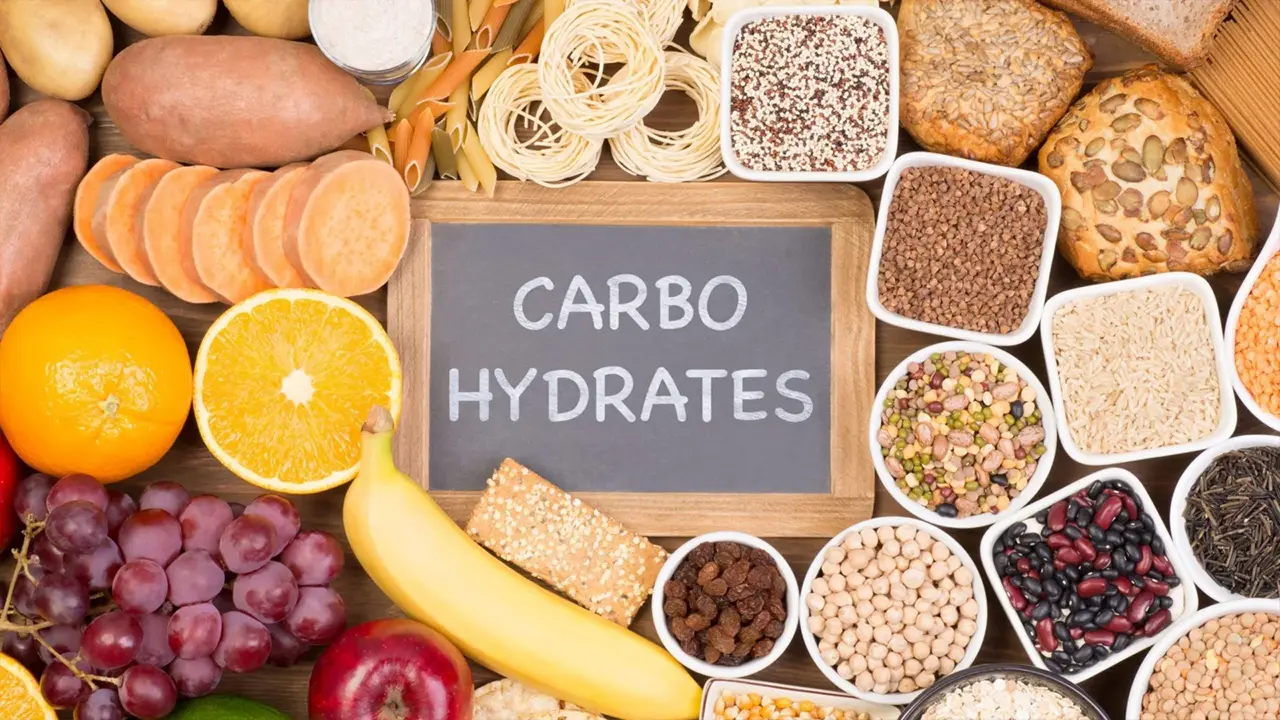
Myth 1: Carbs make you fat
Carbohydrates are the body’s main fuel source. Healthy carbs like whole grains, oats, and quinoa provide energy and essential nutrients. Weight gain results from consuming refined carbs and excess calories, not from healthy carbs.
Myth 2: All fats are bad
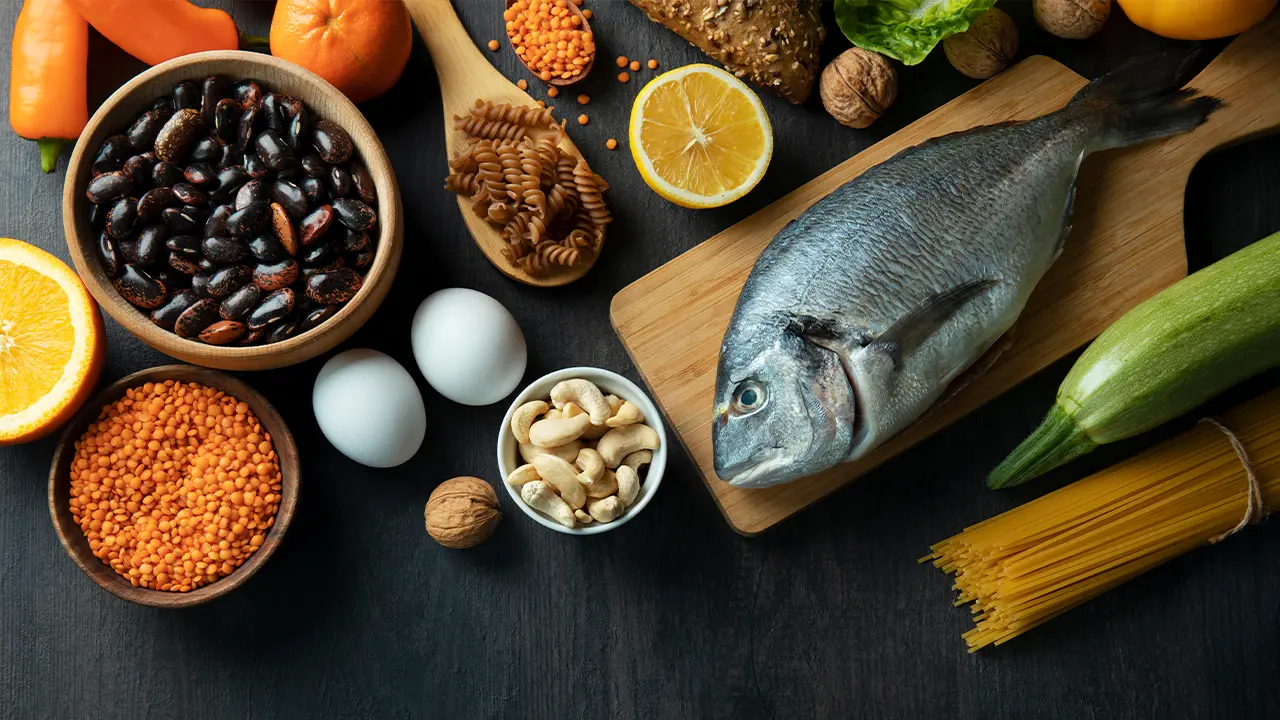
Fats are essential for brain function, hormone production, and energy. Healthy fats—found in nuts, fish, and olive oil—can actually improve heart health. The harmful ones are trans fats and excessive fried foods.
Myth 3: Skipping meals helps you lose weight
Skipping meals slows your metabolism and leads to overeating later in the day. Instead, eating smaller, balanced meals helps in maintaining energy and controlling weight.
Myth 4: High-protein diets damage kidneys
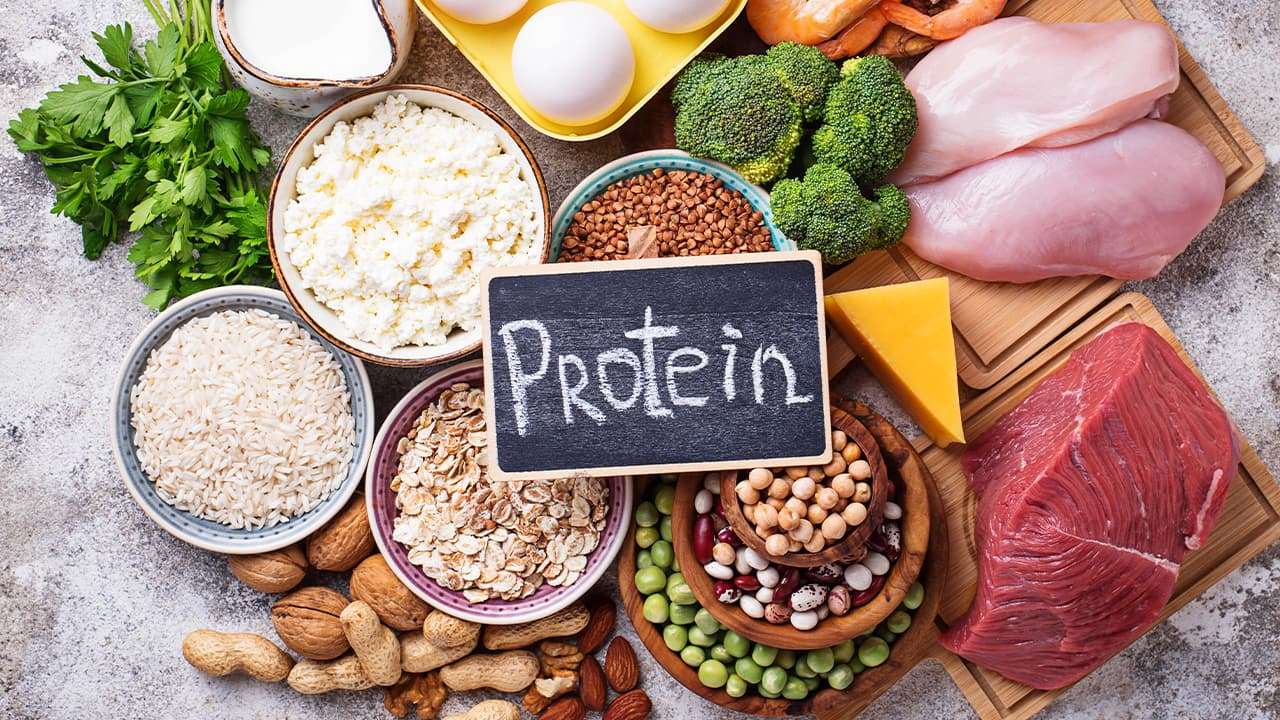
For healthy individuals, protein does not damage the kidneys. In fact, proteins are necessary for building and repairing muscles, especially for active people.
Myth 5: Gluten-free diets are healthier for everyone
Gluten-free diets are essential for people with celiac disease or gluten sensitivity. For others, there is no added health benefit and such diets may even lack key nutrients.
Myth 6: Natural sugars are always safe
Natural sugars like honey and fruit juices are healthier than processed sugars, but excessive consumption still leads to weight gain and high blood sugar.
Myth 7: Supplements can replace meals
Supplements are meant to fill nutritional gaps, not replace real food. Whole foods provide fiber, antioxidants, and nutrients that supplements cannot fully replicate.