
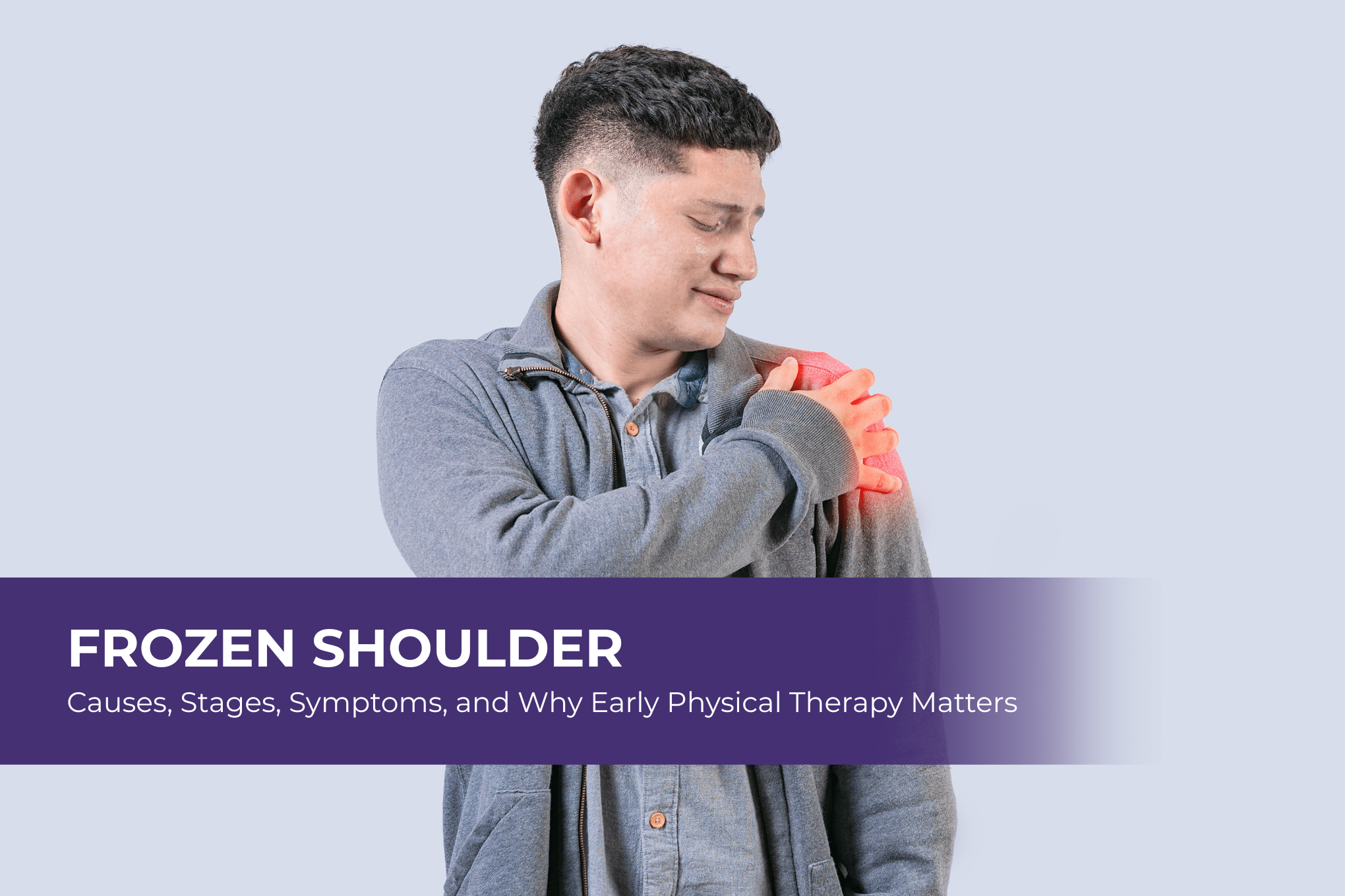
Frozen shoulder, commonly known as “shoulder jam,” is a painful condition that significantly restricts shoulder movement and interferes with daily activities. Medically referred to as adhesive capsulitis, this condition develops when the capsule surrounding the shoulder joint becomes inflamed, thickened, or stiff, leading to pain and loss of mobility.
The shoulder is one of the most flexible joints in the human body. It is a ball-and-socket joint formed by three bones and supported by muscles, ligaments, and a joint capsule. When this capsule tightens or becomes inflamed, normal shoulder movement becomes difficult, painful, and sometimes nearly impossible.
According to the NHS, frozen shoulder often develops gradually and, if left untreated, can last for months or even years.
How Frozen Shoulder Feels in Daily Life
Frozen shoulder is not just discomfort; it directly affects routine activities. Many people report difficulty performing simple movements such as combing their hair, putting on or removing clothes, reaching overhead, or rotating the arm outward. Even small tasks like buttoning a shirt or reaching into a cupboard may become painful.
As the condition progresses, the shoulder feels “locked,” and both active movement (moving the arm yourself) and passive movement (when someone else tries to move it for you) become restricted. Pain may be present even at rest and often worsens at night, affecting sleep quality.
The Three Stages of Frozen Shoulder
Frozen shoulder typically develops in three distinct stages, each with its own characteristics.
The freezing stage is the initial phase, during which pain gradually increases and shoulder movement becomes more restricted. This stage can last anywhere from six months to a year and is often the most painful. Movement becomes difficult, and daily activities start to suffer.
The frozen stage follows, where pain may reduce slightly, but stiffness becomes more pronounced. The shoulder’s range of motion is significantly limited, and the joint feels rigid. Although pain may not always be severe, functional limitation remains high.
The final phase is the thawing stage, during which shoulder mobility slowly improves and pain decreases. This stage can take several months, and recovery is usually gradual rather than sudden.
Why Frozen Shoulder Develops
Frozen shoulder can occur due to multiple factors and is generally classified into primary and secondary causes.
Primary frozen shoulder often develops without a clear underlying injury. Lifestyle factors play a significant role, including prolonged immobility, poor posture, long hours of sitting, and limited shoulder movement over time. Modern work environments, especially desk-based jobs, increase the risk when posture and movement are neglected.
Secondary frozen shoulder develops as a result of another medical condition or event. It is commonly seen in people with diabetes, where studies suggest that up to 15–20% of individuals may develop frozen shoulder at some point. It is also associated with hormonal imbalances, thyroid disorders, prolonged immobilization after surgery, neck or shoulder surgeries, and cardiovascular procedures such as open-heart surgery.
Poor posture and repetitive strain further increase the risk by altering shoulder mechanics and muscle balance.
Movement Restrictions That Signal Frozen Shoulder
One of the defining features of frozen shoulder is restriction in specific movements. Abduction (lifting the arm sideways away from the body) and external rotation (rotating the arm outward) are particularly limited. This distinguishes frozen shoulder from other shoulder problems, where movement may be painful but not fully restricted.
When these movements are consistently difficult and painful, especially without a clear injury, frozen shoulder should be considered.
Treatment Options: Why Physical Therapy Is Central
Treatment for frozen shoulder focuses on pain relief, restoring mobility, and preventing long-term stiffness. While painkillers, corticosteroids, and injections are sometimes used to manage inflammation and discomfort, physical therapy remains the cornerstone of treatment, especially for those aiming to avoid surgery.
Physical therapy focuses on gradually unlocking the joint, improving movement, and reducing pain without invasive procedures. Manual therapy techniques such as traction and joint gliding help release stiffness in the shoulder capsule and restore functional movement. These techniques must be applied carefully and correctly to avoid increasing pain.
Alongside manual therapy, supportive modalities are often used to manage pain and inflammation. These may include heat therapy, ultrasound therapy, TENS (transcutaneous electrical nerve stimulation), infrared therapy, and cold packs. These approaches help relax muscles, improve blood flow, and reduce discomfort, making movement exercises more effective.
Treatment is typically provided in structured sessions, with gradual progression based on pain levels and improvements in mobility.
Why Early Intervention Makes a Difference
One of the biggest challenges associated with frozen shoulder is the delay in treatment. Many people ignore early symptoms, assuming the stiffness will resolve on its own. However, early intervention significantly shortens recovery time and reduces long-term disability.
Addressing pain early, restoring movement gradually, and correcting posture and lifestyle factors can prevent the condition from becoming chronic. Once the shoulder becomes severely stiff, recovery takes much longer and may require more intensive intervention.
When to Seek Professional Help
If shoulder pain and stiffness:
- Last for several weeks
- Limit daily activities
- Worse at night
- Do not improve with rest
It’s important to seek guidance early.
👉 You should book an online consultation through the MedIQ app for timely support.
Frozen shoulder is a common but often misunderstood condition that can disrupt daily life if left untreated. While it develops slowly, its impact on movement, independence, and quality of life can be significant. Understanding its stages, causes, and treatment options empowers individuals to seek help early and recover more effectively.
With proper management, especially through structured physical therapy, most people regain shoulder movement and return to normal activities without the need for surgery.