
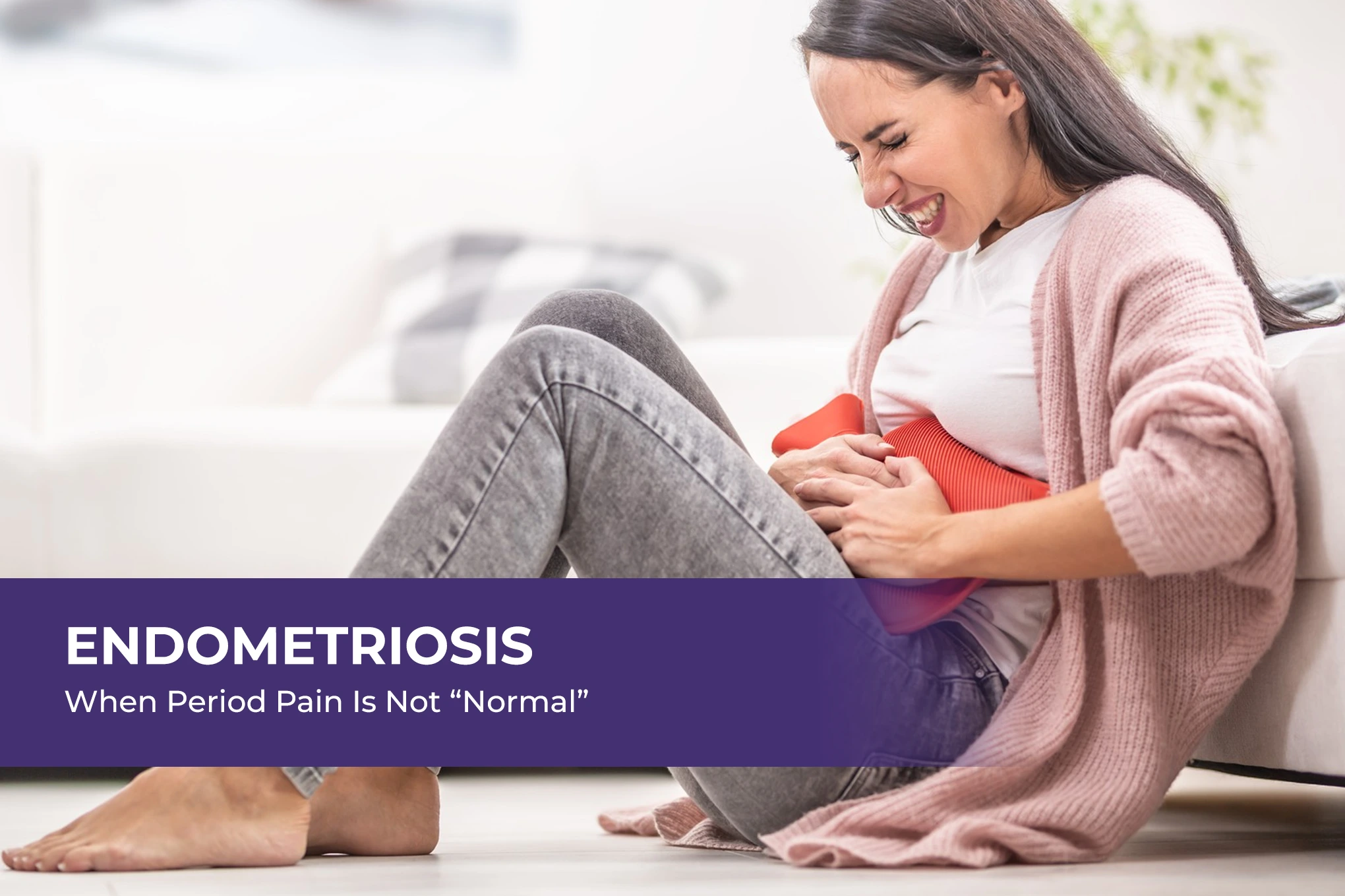
Severe pain during periods is often dismissed as something to be endured. Many women grow up believing that menstrual pain is simply a part of life, uncomfortable, inconvenient, but inevitable. Yet for millions worldwide, this pain is neither normal nor harmless. It is a symptom of a chronic condition that quietly affects physical health, emotional well-being, fertility, and quality of life: endometriosis.
Endometriosis remains widely misunderstood, underdiagnosed, and under-discussed, despite being one of the most common gynecological conditions. For those living with it, the journey often involves years of pain, confusion, and being told that their suffering is “just bad cramps.” Understanding endometriosis is the first step toward changing that narrative.
What Is Endometriosis?
Endometriosis is a condition in which tissue similar to the lining of the uterus (the endometrium) grows outside the uterus. Instead of shedding during menstruation like normal uterine lining, this misplaced tissue becomes trapped inside the body.
Common areas where endometriosis may develop include the ovaries, fallopian tubes, pelvic lining, bowel, bladder, and the space between the uterus and rectum. In some cases, it can even affect pelvic muscles and nerves.
During the menstrual cycle, this tissue responds to hormonal changes, leading to inflammation, swelling, scarring, and pain. Over time, it can cause adhesions, where organs stick together, making symptoms more severe and persistent.

How Common Is Endometriosis?
Endometriosis is far more common than many realize. Research suggests that around 1 in 10 women who have periods are affected. The condition is even more prevalent among individuals experiencing chronic pelvic pain or infertility.
Despite its frequency, endometriosis often goes undiagnosed for years. On average, it can take seven years or more from the onset of symptoms to receive a confirmed diagnosis. This delay contributes significantly to prolonged suffering and emotional distress.
Why Endometriosis Is So Difficult to Diagnose?
One of the most challenging aspects of endometriosis is that it often does not appear clearly on routine scans. Ultrasounds and even MRIs may look “normal,” especially in early or moderate cases. Unlike many conditions, endometriosis cannot always be identified through blood tests or standard imaging.
The disease often appears as small lesions scattered across pelvic structures, subtle enough to be missed unless directly visualized. This diagnostic complexity, combined with social normalization of menstrual pain, leads many women to question their own experiences or delay seeking help.
Symptoms That Are Often Overlooked
Endometriosis is not just about painful periods. While pelvic pain is the most recognized symptom, the condition can affect multiple systems in the body.
Pain during menstruation that interferes with daily activities is a hallmark sign. However, symptoms often extend beyond the menstrual cycle and may worsen before or during periods.
Other commonly reported experiences include:
- Chronic pelvic or lower back pain
- Pain during or after intercourse
- Migraines linked to the menstrual cycle
- Urinary urgency, burning, or discomfort without infection
- Bloating, nausea, or digestive discomfort
- Fatigue that intensifies around menstruation
- Painful bowel movements or constipation, especially during periods
Many women are surprised to learn that pain during exercise, bowel issues, or urinary symptoms can originate from a gynecological condition. These symptoms occur because endometriosis can inflame nearby organs, muscles, and nerve fibers.
Endometriosis and Fertility
Endometriosis is closely linked with fertility challenges, though not everyone with the condition will experience difficulty conceiving. Inflammation caused by endometriosis can affect the ovaries, fallopian tubes, and surrounding pelvic environment, potentially interfering with egg release, fertilization, or implantation.
It is important to note that many women with endometriosis can and do conceive naturally. However, if pregnancy does not occur as expected, endometriosis may be one of several contributing factors.
The Emotional and Mental Health Impact
Living with chronic pain has consequences that extend far beyond the physical body. Persistent discomfort, delayed diagnosis, and feeling unheard can lead to emotional exhaustion.
women with endometriosis often experience:
- Anxiety related to unpredictable pain
- Low mood or depression
- Frustration and feelings of isolation
- Reduced confidence in social or professional life
Pain and mental health influence each other deeply. Ongoing pain can worsen emotional distress, while emotional distress can amplify the perception of pain. Addressing both aspects is essential for overall well-being.
Managing Endometriosis: A Long-Term Approach
There is currently no single cure for endometriosis, but symptoms can be managed effectively with a comprehensive and individualized approach.
Treatment strategies focus on pain relief, reducing inflammation, slowing disease progression, and improving quality of life. These may include hormonal therapies aimed at reducing estrogen levels, given estrogen’s role in stimulating ectopic endometrial tissue.
Pain management may involve medications, lifestyle adjustments, physiotherapy, and supportive mental health care. In some cases, minimally invasive surgery is used to confirm diagnosis and remove visible ectopic endometrial tissue, particularly when symptoms are severe or unresponsive to other treatments.
Successful management often requires patience, consistency, and a combination of medical and lifestyle-based strategies.
When to Seek Help?
Severe period pain that prevents you from attending school, work, or daily activities is not normal. Pain that requires regular painkillers just to function deserves attention.
You should seek professional advice if you experience:
- Persistent pelvic pain
- Period pain that worsens over time
- Digestive or urinary symptoms linked to your cycle
- Pain during intercourse
- Ongoing fatigue or emotional distress related to pain
Early support can prevent years of unnecessary suffering and improve long-term outcomes.
👉 If needed, you can book an online consultation through the MedIQ for guidance and support.
Living Beyond the Pain
Endometriosis is not “just a period problem.” It is a whole-body condition that deserves understanding, empathy, and proper care. Awareness is growing, but many still live silently with symptoms they have been told to ignore.
Listening to your body, trusting your experience, and seeking support are acts of self-advocacy, not overreaction. With the right care and informed decisions, it is possible to manage symptoms, protect mental health, and regain control over daily life.
Pain that limits your ability to live fully is never something you should simply accept