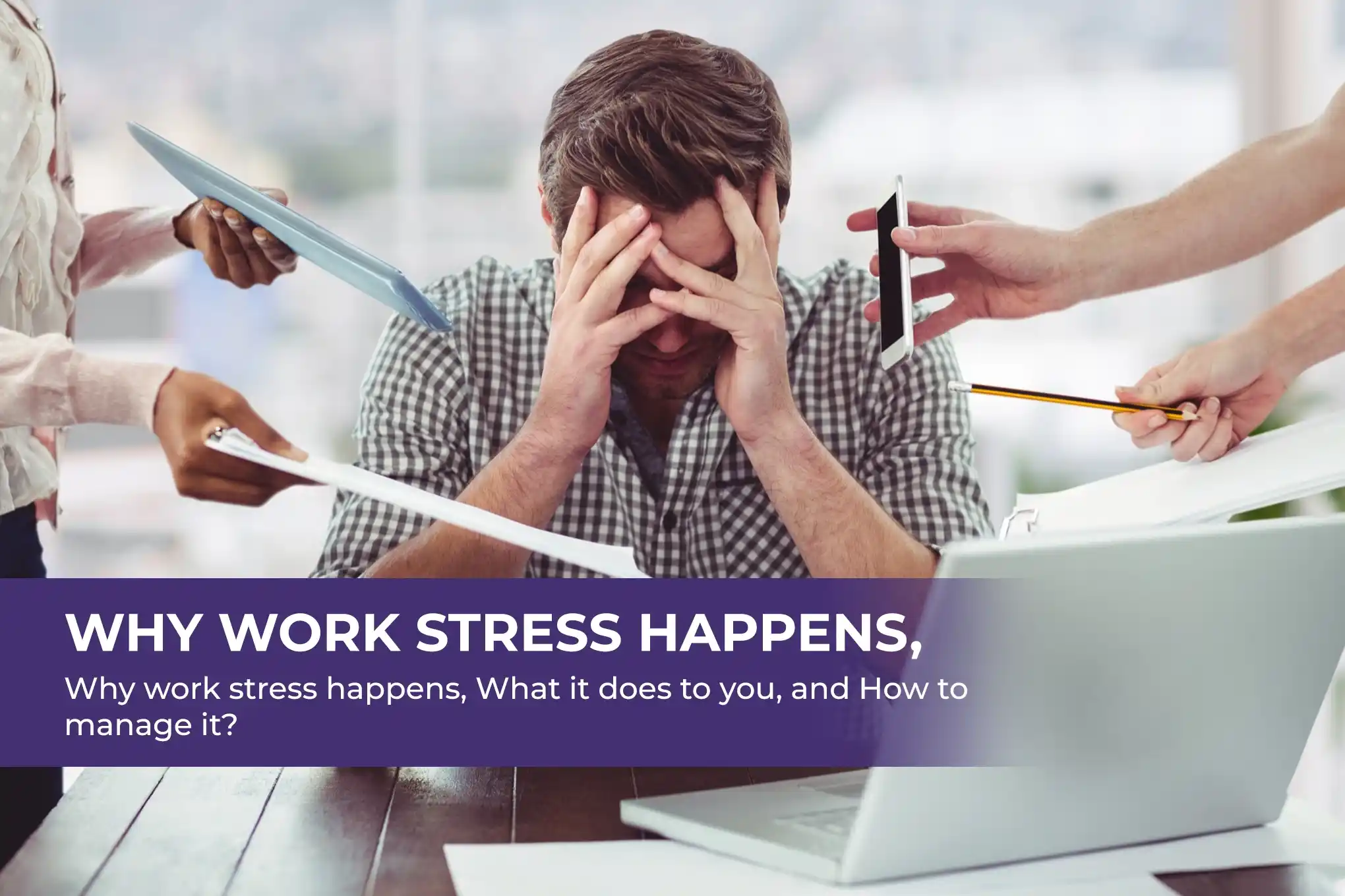
Over time, these emotional ripples grow into psychological fatigue. This is the early stage of burnout, a condition marked by emotional exhaustion, depersonalization, and reduced sense of achievement.
Stress also affects how people relate to others. It narrows emotional tolerance, increases conflict, and makes social interactions feel draining. In many cases, individuals withdraw from family time, hobbies, and friendships, not because they want to, but because their emotional bandwidth has been exhausted at work.
Where Work Stress Begins: The Triggers We Overlook
Although every individual’s experience is unique, certain themes frequently show up in the story of workplace stress.
One major trigger is unclear job expectations. When responsibilities are poorly defined or shift without explanation, it creates cognitive confusion. The brain thrives on clarity; without it, stress levels rise. Communicating for clarity, especially when tasks are changed frequently, reduces this tension significantly.
Another contributor is the chaotic morning routine. Waking up late, skipping breakfast, rushing children to school, and navigating heavy traffic create physiological stress before the workday even begins. The nervous system enters “fight or flight” mode, making it harder to regulate emotions later in the day.
Workplace culture also plays a role. Engaging in heated debates, gossip, or emotionally charged conversations drains mental energy and increases irritability. Even if the conversation is not directly related to work, it pulls cognitive resources away from tasks that require focus.
Multitasking, once celebrated as a symbol of efficiency, is now known to increase stress. The brain does not perform two tasks simultaneously; it switches rapidly between them, leading to mistakes, mental fatigue, and irritability. As a result, people begin to feel overwhelmed even when working hard.
And then there is the burden of perfectionism. The desire to do everything flawlessly often becomes a self-imposed pressure. While striving for excellence is valuable, perfectionism creates unrealistic standards that lead to disappointment and prolonged anxiety.
Rewriting the Experience of Stress: What Actually Helps
Stress management is not about eliminating stress, it is about training the mind and body to respond differently.
The transformation begins with the simplest of habits. A calm and intentional morning routine slows the body’s stress signals. A nourishing breakfast, a few minutes of stretching, grounding breaths, and leaving home on time create a physiological environment that supports emotional resilience throughout the day.
Creating boundaries within the workplace also matters deeply. Avoiding emotionally draining discussions protects mental energy. Understanding your limits and communicating them respectfully strengthens psychological stability.
During the workday, stepping away from your desk, even for a brief moment, resets the nervous system. A quiet walk after lunch, a few breaths in the open air, or sitting in a peaceful corner helps the brain recover from cognitive overload.
The journey home presents another opportunity for emotional reset. Listening to music that uplifts or calms you is not merely a preference, it is a scientifically supported way to shift neurological patterns. When you reach home, deliberately letting go of workplace stress and immersing yourself in family time allows the body to transition into recovery mode.
And perhaps the most important habit of all: making time for yourself. In a world full of responsibilities, giving yourself permission to rest, unwind, or enjoy a hobby is not selfish, it is essential. These moments replenish emotional energy and reinforce psychological wellbeing.
When Stress Demands Attention
While daily habits can significantly reduce stress, there are moments when self-help is not enough. When stress begins to disrupt sleep, appetite, mood, concentration, or relationships, it signals the need for professional support. Many people wait too long, hoping the stress will pass on its own, but early intervention is far more effective.
Whenever needed, you may seek guidance or book an online consultation through the MedIQ app, a simple step that can prevent long-term complications.
The Path Forward
Work stress is a deeply human experience. It reflects our desire to do well, to meet expectations, and to balance the many roles we play in life. But it does not have to control the rhythm of our days. With awareness, clarity, and mindful habits, the pressure that once felt overwhelming can become manageable.
The goal is not perfection but balance, a life in which work is meaningful, health is protected, and the mind feels grounded. When stress is managed thoughtfully, you don’t just perform better at work; you reclaim a sense of calm, confidence, and emotional freedom that extends far beyond the office.