
Gestational diabetes (GDM) is one of the most common pregnancy-related conditions, affecting millions of women every year. While it may sound alarming, the good news is that, with the right information, diet, and monitoring, most women with gestational diabetes have healthy pregnancies and healthy babies.
This comprehensive guide covers everything: causes, symptoms, glucose testing, diet plans, risks, FAQs, and lifestyle management.
What Is Gestational Diabetes?
Gestational diabetes is a type of diabetes that develops during pregnancy, typically between 24–28 weeks. It occurs when your body becomes less responsive to insulin, the hormone that helps control blood sugar.
During pregnancy, the placenta releases hormones that naturally increase insulin resistance. In most women, the pancreas compensates by producing more insulin. But in some cases, the body cannot keep up, causing high blood sugar levels.
How Gestational Diabetes Differs from Other Types of Diabetes
- Type 1 Diabetes: Caused by the immune system destroying insulin-producing cells.
- Type 2 Diabetes: Caused by long-term insulin resistance and insufficient insulin production.
- Gestational Diabetes: Caused by pregnancy hormones and usually goes away after delivery.
However, women who develop gestational diabetes have a much higher risk of developing Type 2 diabetes later in life.
Causes & Risk Factors
Gestational diabetes is primarily caused by insulin resistance triggered by pregnancy hormones like cortisol, estrogen, and human placental lactogen.
Common Risk Factors
While any pregnant woman can develop GDM, the risk increases if:
- You are obese before pregnancy
- You had gestational diabetes in a previous pregnancy
- You have PCOS (Polycystic Ovary Syndrome)
- You are older than 30
- You had a large baby (over 9 lbs/4 kg) in a previous pregnancy
- You belong to ethnic groups at higher risk (South Asians, Middle Eastern families, Hispanics, African-American mothers)
- You have a family history of diabetes
But remember: even women with zero risk factors can develop gestational diabetes.
Gestational Diabetes Symptoms (Often Silent)
Gestational diabetes often has no noticeable symptoms, which is why routine screening is essential.
However, some women do show signs, such as:
Common Symptoms
- Excessive thirst
- Frequent urination
- Fatigue
- Blurred vision
- Sugar cravings
- Nausea or dizziness
- Recurrent infections (urinary or vaginal yeast infections)
Because these symptoms overlap with normal pregnancy symptoms, gestational diabetes is often missed without testing.
How Gestational Diabetes Is Diagnosed
Most women are screened for gestational diabetes between 24 and 28 weeks. Women with high-risk factors may be tested earlier.
There are two main tests:
1. Glucose Challenge Test (GCT)
This is a screening test.
How it works:
- You drink a sweet glucose solution
- Blood sugar is tested after 1 hour
- You do not need to fast
If results are above the cutoff, you will be asked to take the OGTT.
2. Oral Glucose Tolerance Test (OGTT)
This is the confirmatory test.
How it works:
- You fast overnight
- A fasting sugar reading is taken
- You drink a glucose solution
- Blood sugar is checked at 1 hour and 2 hours
If one or more readings are high, you are diagnosed with gestational diabetes.
Common OGTT Thresholds (May vary by country)
- Fasting: ≥ 92 mg/dL
- 1-hour: ≥ 180 mg/dL
- 2-hour: ≥ 153 mg/dL
Your doctor will guide you based on local medical guidelines.
Gestational Diabetes Diet (Complete Guide)
Diet is the most important and effective tool to control gestational diabetes.
The goal is to keep blood sugar stable while providing enough nutrition for both mother and baby.
Principles of a Good Gestational Diabetes Diet
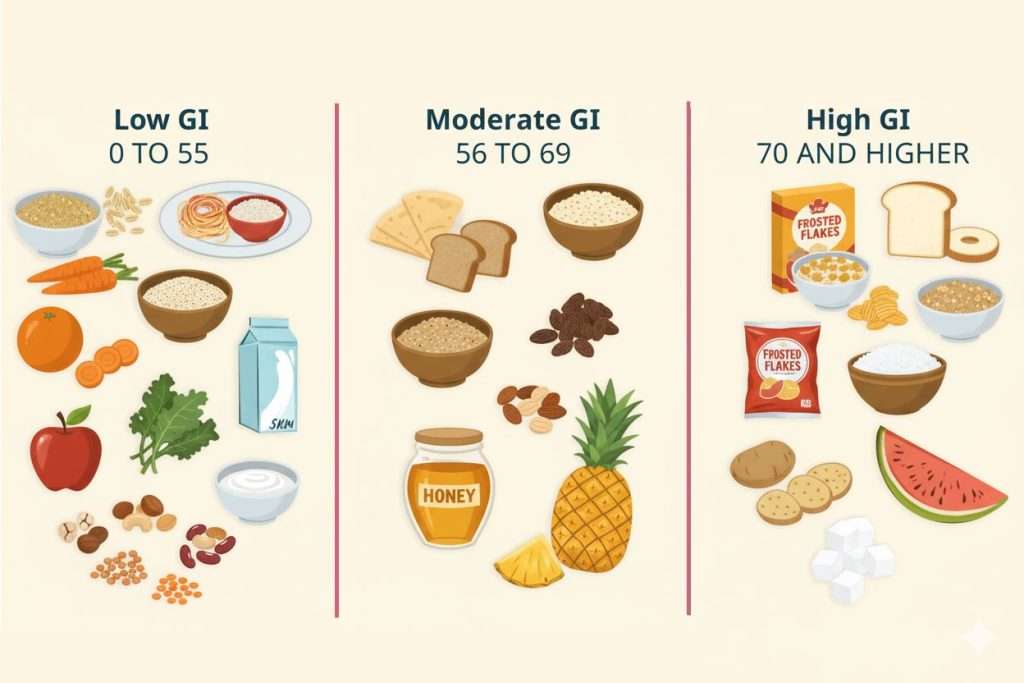
1. Choose low glycemic index (GI) foods
Low-GI foods release glucose slowly, keeping levels stable.
2. Balanced meals with controlled carbohydrates
Carbs raise blood sugar, but you should not eliminate them, your baby needs them.
Aim for:
- 30–45g carbs per meal
- 15–20g carbs per snack
3. Protein + Fiber with every meal
Protein helps slow down sugar spikes.
4. Never skip meals
Skipping meals can lead to dangerously high or low sugar levels.
Best Foods for Gestational Diabetes
Low-GI Carbs
- Whole grains (quinoa, brown rice, oats)
- Multigrain roti
- Whole wheat pasta
- Sweet potatoes
- Beans and lentils
Protein Sources
- Eggs
- Chicken or fish
- Greek yogurt
- Cottage cheese
- Nuts and seeds
Fiber-Rich Foods
- Green leafy vegetables
- Broccoli, cauliflower, asparagus
- Fruits like berries, apples, pears
- Chia seeds and flax seeds
Healthy Fats
- Avocado
- Olive oil
- Almonds, walnuts
- Peanut butter (in moderation)
Foods to Avoid
- White bread, white rice
- Sugary drinks or juices
- Fried foods
- Sweets, cakes, pastries
- Processed snacks
- Overripe fruits (bananas, mangoes in excess)
These cause rapid blood sugar spikes.
Sample Meal Plan (1-Day)
Breakfast
- 2 boiled eggs
- 1 slice whole-grain toast
- Half an apple
Mid-Morning Snack
- Greek yogurt + some nuts
Lunch
- Grilled chicken or lentils
- Brown rice or 1 whole wheat roti
- Salad with olive oil
Evening Snack
- Handful of almonds
- Green tea (unsweetened)
Dinner
- Fish or chickpeas
- Steamed vegetables
- Small portion of quinoa
Bedtime Snack
- 1 cup warm milk or a small protein snack
Exercise & Lifestyle Tips
Exercise helps your body use insulin more effectively and keeps blood sugar stable.
Safe Pregnancy Workouts
- 30 minutes brisk walking
- Prenatal yoga
- Light strength training
- Swimming
- Pelvic floor exercises
Tips
- Walk for 10–15 minutes after meals
- Stay hydrated
- Get 7–8 hours of sleep
- Reduce stress (yoga, breathing exercises)
Avoid high-impact or risky activities unless cleared by your doctor.
Risks for Baby & Mother
Gestational diabetes is manageable, but uncontrolled levels can cause complications.
Risks for the Baby
- Large baby (macrosomia)
- Low sugar levels after birth
- Breathing problems
- Jaundice
- Higher risk of childhood obesity or diabetes
Risks for the Mother
- Preeclampsia
- High blood pressure
- C-section delivery
- Increased risk of Type 2 diabetes later
- Gestational diabetes in future pregnancies
With proper care, these risks can be minimized.
Prevention & Long-Term Care
Even after delivery, gestational diabetes needs follow-up.
After Birth
- Most women’s blood sugar returns to normal
- A postpartum glucose test is recommended after 6–12 weeks
- Annual diabetes screening is advised
Ways to Reduce Future Risk
- Maintain healthy weight
- Stay active
- Eat balanced meals
- Breastfeed (it helps reduce insulin resistance)
Gestational diabetes can be overwhelming at first, but with proper knowledge, a balanced diet, and regular monitoring, you can ensure a healthy pregnancy. Millions of women successfully manage GDM every year and deliver perfectly healthy babies.