
Typhoid fever remains a serious public health concern in Pakistan, especially in areas with poor sanitation and unsafe drinking water. Despite being a preventable disease, thousands of cases are reported every year due to lack of awareness and hygiene practices.
Understanding what typhoid is, how it spreads, and how it can be treated is essential for protecting yourself and your family.
What is Typhoid Fever?
Typhoid fever is a bacterial infection caused by Salmonella typhi. It primarily affects the digestive system but can spread throughout the body if not treated properly.
The infection spreads through contaminated food and water, making it common in areas where hygiene standards are compromised.
How Does Typhoid Spread?
Typhoid spreads through the fecal-oral route, meaning:
- Drinking contaminated water
- Eating food handled by an infected person
- Poor hand hygiene after using the toilet
- Flies transferring bacteria from waste to food
Some individuals may become carriers, meaning they don’t show symptoms but can still spread the infection to others.
Common Symptoms of Typhoid
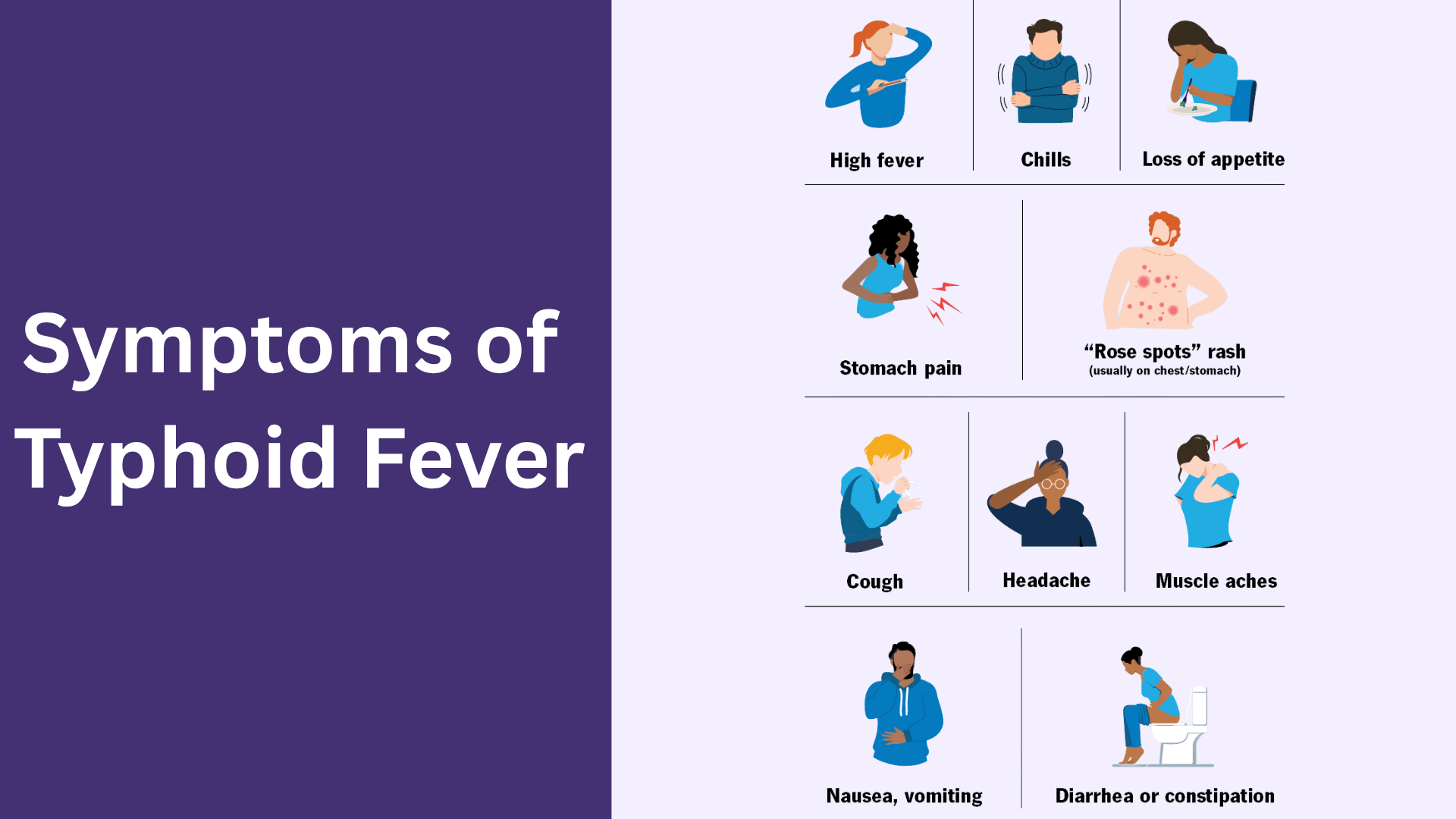
Symptoms usually develop gradually and can worsen over time:
- Persistent high fever (can reach 103–106°F)
- Weakness and fatigue
- Loss of appetite
- Headache
- Abdominal pain
- Constipation or diarrhea
- Dry cough
- Severe cases may lead to confusion or complications
Typhoid is sometimes called “miyadi bukhar”, but it typically lasts around 3–4 weeks, not months.
Why Typhoid is Dangerous
If left untreated, typhoid can lead to serious complications such as:
- Intestinal perforation
- Internal bleeding
- Infection spreading to lungs, brain, or bones
- Seizures in children due to high fever
In severe cases, it can become life-threatening.
Diagnosis: Which Test is Reliable?
Many people rely on outdated tests, but accuracy matters.
- ❌ Widal test → Low reliability (can give false results)
- ✅ Blood culture → Most accurate in early stages
- ✅ Stool & urine culture → Helpful in later stages
A culture test also helps doctors choose the right antibiotic, especially important due to rising drug resistance in Pakistan.
Treatment of Typhoid
Treatment depends on severity but usually includes:
- Prescribed antibiotics (based on culture sensitivity)
- Adequate hydration
- Rest and proper nutrition
⚠️ Avoid self-medication. Incorrect antibiotic use has made many typhoid strains resistant.
Severe cases may require hospital admission, especially if:
- Fever is very high
- Patient is weak or dehydrated
- Complications are suspected
Prevention: How to Protect Yourself
Prevention is the most effective strategy against typhoid:
- Wash hands with soap before eating and after using the toilet
- Drink clean, boiled, or filtered water
- Avoid street food or unhygienic meals
- Wash fruits and vegetables properly
- Control flies and kitchen hygiene
- Ensure proper sanitation at home
Typhoid Vaccination
Vaccination is strongly recommended, especially for:
- Children
- People who frequently eat outside
- Travelers
- Residents in high-risk areas
The vaccine does not replace hygiene but provides additional protection.
Typhoid in Pakistan: A Growing Concern
Outbreaks in different cities highlight the importance of clean water and public awareness. Contaminated water supplies and poor sanitation remain major causes.
Improving hygiene practices at both individual and community levels is essential to control the spread.
Final Thoughts
Typhoid fever is preventable and treatable, but only if taken seriously. Early diagnosis, proper treatment, and strong hygiene habits can significantly reduce the risk.
Ignoring symptoms or relying on self-medication can make the condition worse and harder to treat.