
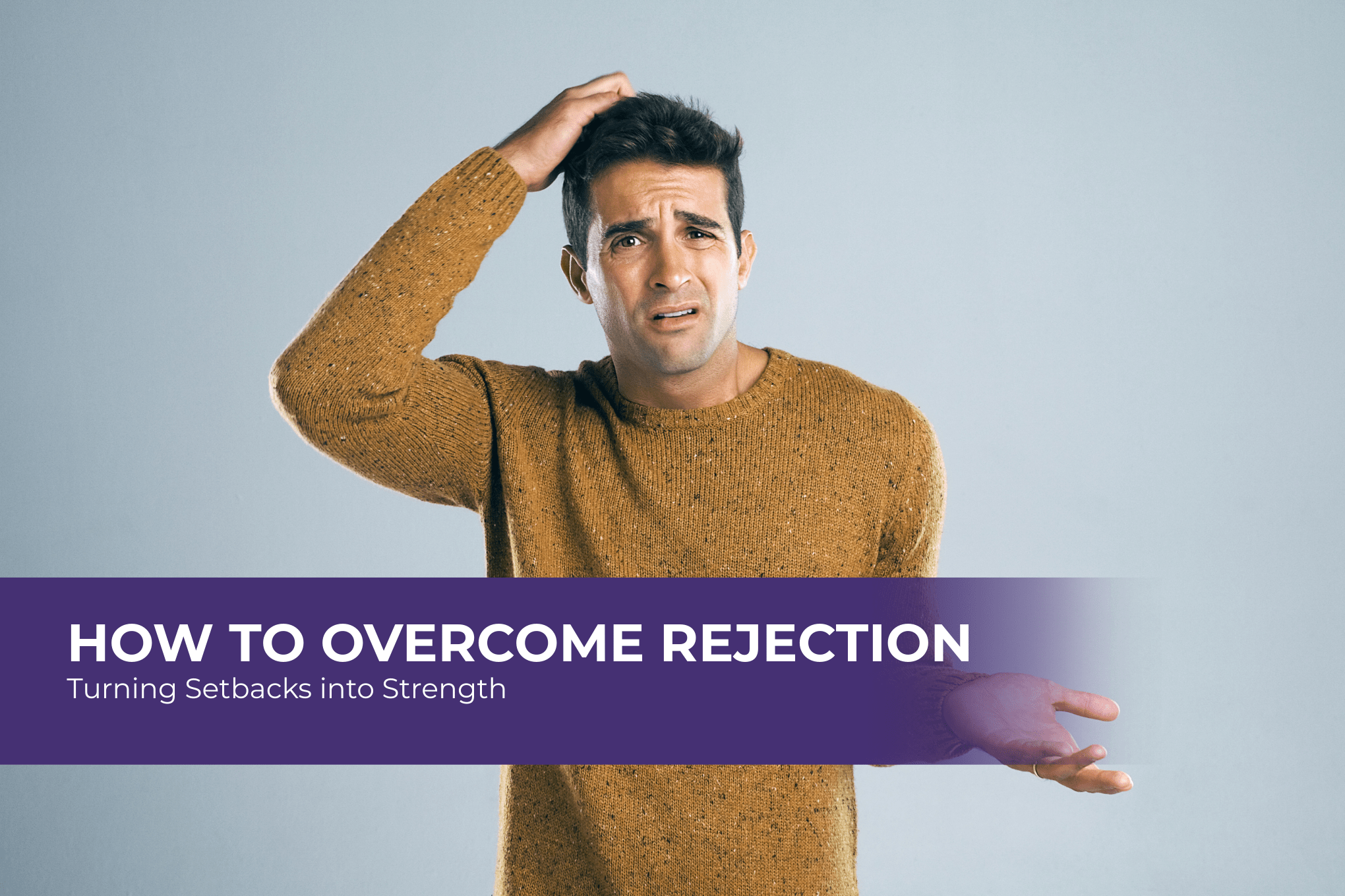
Rejection is one of the most universal human experiences. From childhood to adulthood, from personal relationships to professional life, almost everyone encounters rejection in one form or another. Yet, despite how common it is, rejection often feels deeply personal, painful, and isolating.
Understanding rejection, and learning how to respond to it, can transform it from a source of emotional distress into a powerful catalyst for growth.
Rejection Is Part of the Human Story
If we look closely at human history, rejection has always been present. Even in religious narratives, rejection plays a defining role. The story of Prophet Adam (A.S.) reminds us that rejection is not a sign of worthlessness; it is part of the human journey itself.
From birth till today, life continues to present moments where we are not chosen, not accepted, or not understood. These moments are not exceptions, they are milestones.
The Problem of Being Too Judgmental
One of the biggest reasons rejection hurts so deeply is our judgmental approach toward ourselves.
Instead of describing actions, we label people, including ourselves, with harsh adjectives. We don’t say “He made a mistake”; we say “He is a failure.” We don’t say “She is struggling right now”; we say “She is weak.”
This way of thinking reduces a person’s entire identity to a single moment or outcome.
Parents often express this when they say, “My child used to top the class, and now he doesn’t.” The child hasn’t disappeared, the circumstances, priorities, or struggles have changed. Human beings should be understood through their actions (verbs), not frozen into labels (adjectives).
The Three Faces of Rejection
Rejection doesn’t only come from others. It usually appears in three forms:
- Rejecting others
- Being rejected by others
- Rejecting yourself
The third form is often the most damaging. Self-rejection leads to guilt, shame, self-hatred, and a constant feeling of inadequacy. Over time, this internal rejection can be more harmful than anything imposed from the outside.
Judgment Comes Before Rejection
Rejection rarely arrives suddenly. It is usually preceded by judgment.
We begin to interpret behaviors as personal failures. But behavior itself is not rejection, it is simply behavior. What we often perceive as rejection is actually reduction: reducing a complex human being into a single flaw, moment, or loss.
When this reduction happens repeatedly, it shapes how we see ourselves and others.
Learn to Apply Emotional Brakes
One of the most important skills in dealing with rejection is learning to pause.
Life requires the habit of applying brakes.
When you are rejected or treated unfairly, resist the urge to react immediately, both outwardly and inwardly. Don’t rush to respond with anger, blame, or self-criticism. Give your emotions time to settle.
This pause creates space for understanding, reflection, and healthier decision-making.
Playing the Cards You’re Given
Life is often compared to a game of cards. You don’t get to choose the cards you are dealt, but you do get to choose how you play them.
Some people waste energy wishing for different cards. Others play intelligently, rearranging what they have and moving forward with skill and courage.
Life does not allow us to change our starting point, our background, or many of our circumstances. What matters is how we use what we have.
Growth comes from strategy, patience, and resilience, not from denial.
Rejection and Post-Traumatic Growth
One of the most powerful ideas related to rejection is post-traumatic growth.
Rejection, when processed correctly, becomes a turning point rather than a dead end. History is filled with examples:
Scientists like Galileo, Newton, Einstein, and Marie Curie faced rejection before recognition.
Writers and poets like Ghalib and Iqbal struggled before their work was valued.
Even great leaders and thinkers were once dismissed, doubted, or ignored.
What set them apart was not the absence of rejection, but their ability to convert it into purpose.
The Hidden Message Inside Rejection
Rejection often carries a message, about direction, boundaries, growth, or change. When we stop seeing it as punishment and start seeing it as information, it becomes less frightening.
Growth does not come before pain. Healing does not come before time. Before miracles, there is patience, and the quiet work of self-understanding.
Final Thoughts
Rejection is not the end of your story. It is a chapter, sometimes a difficult one, but often the chapter that shapes who you become.
If feelings of rejection begin to affect your mental health, daily functioning, or self-worth for an extended period, it is important to seek professional guidance. Support can help turn emotional pain into clarity and strength.
Rejection does not define you. How you respond to it does.