
Weight gain has become one of the most common health concerns globally, especially in South Asian populations, where metabolic conditions such as diabetes, hypertension, and hormonal disorders are rising rapidly. Many people consider weight gain a cosmetic issue, but in reality, being overweight is a recognised medical condition that requires timely attention, understanding, and treatment.
This blog explains in simple language:
- Why weight increases
- What being overweight means
- Health risks linked to weight gain
- Scientifically proven treatments
- How to manage weight effectively and safely
What does being overweight mean?
Weight gain is classified using a measurement called Body Mass Index (BMI), a number calculated from your height and weight.
BMI Classification for South Asians
Because South Asians are more prone to diabetes and heart disease at lower BMIs, the cut-off values are different:
- BMI 18.5 – 22.9 → Normal
- BMI 23 – 24.9 → Overweight
- BMI 25 or above → Obesity
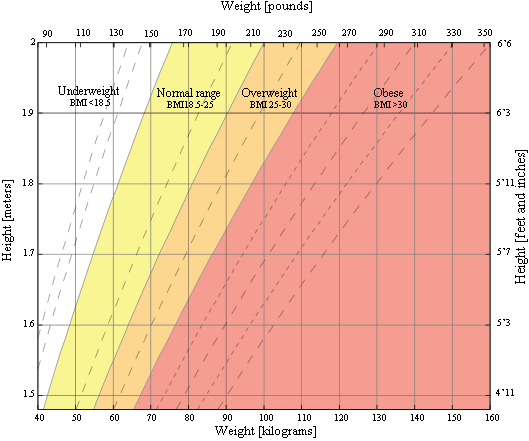
A higher BMI indicates excessive body fat, which can disrupt normal body functioning and increase the risk of multiple chronic diseases.
Is Weight Gain a Disease?
Yes, being overweight is medically recognised as a chronic disease, just like chronic kidney failure or chronic heart failure.
A chronic disease means:
- It develops gradually
- It has long-term impacts
- It requires proper treatment and continuous management
Ignoring obesity is dangerous because it silently leads to serious health conditions.
Why Does Weight Increase?
Weight gain is not caused by one factor. It is the result of a complex combination of physical, genetic, hormonal, emotional, and lifestyle-related elements.
1. Genetics
Some people have a natural tendency to gain weight more easily due to inherited genes.
2. Medications
Certain medicines cause weight gain as a side effect:
- Steroids
- Antidepressants
- Anti-seizure medications
- Hormonal treatments
3. Hormonal Imbalances
Hormones play a major role in regulating appetite, metabolism, and fat storage. Conditions that contribute to weight gain include:
- Hypothyroidism
- PCOS (Polycystic Ovary Syndrome)
- Insulin resistance
4. Psychological Factors & Stress
Stress, anxiety, or emotional imbalance can lead to overeating, binge eating, or irregular meal patterns, all contributing to weight gain.
5. Sleep Disturbances
Poor sleep alters hunger hormones (ghrelin and leptin), increasing cravings for high-calorie foods.
6. Sedentary Lifestyle
Lack of physical activity slows metabolism and leads to fat accumulation.
7. Eating Disorders & Unhealthy Eating Patterns
Skipping meals, late-night eating, excessive sugar intake, and cravings can contribute significantly to weight gain.
Weight gain is almost always caused by a combination of these factors, not just overeating.
Why Weight Gain Should NOT Be Ignored
Most people are actually worried about their weight but still don’t take meaningful steps to address it, often due to lack of awareness, guidance, or motivation. Uncontrolled weight gain can lead to major health complications.
Health Risks Associated with Weight Gain
1.Cardiovascular Diseases
Higher weight increases the risk of:
- Heart attack
- High blood pressure
- High cholesterol
- Stroke
2. Type 2 Diabetes
Excess weight causes insulin resistance, making diabetes more likely. South Asians are susceptible to this risk.
3. Hormonal Disorders
Weight gain can lead to:
For Women
- PCOS (Polycystic Ovary Syndrome): Weight gain worsens insulin resistance, which increases androgen hormones, leading to cysts, acne, and difficulty conceiving.
- Irregular Menstrual Cycles: Excess fat affects estrogen levels, disrupting the menstrual cycle.
- Infertility: Hormonal imbalance and ovulation problems reduce the chances of conceiving.
- Thyroid Disorders: Low thyroid function slows metabolism, making weight loss harder.
For Men
- Low Testosterone: Extra body fat converts testosterone to estrogen, leading to reduced muscle mass, fatigue, and decreased libido.
- Infertility: Hormonal imbalance affects sperm production and sperm quality.
- Metabolic Syndrome: A combination of insulin resistance, high cholesterol, and abdominal fat increases disease risk.
- Sleep Hormone Disturbances: Poor sleep and weight gain disrupt cortisol and growth hormone levels.
4. Joint Pain & Arthritis
Excess body weight puts pressure on joints, causing knee, hip, and back pain. It accelerates joint degeneration.
5. Sleep Apnea & Breathing Problems
Excess fat around the neck and chest narrows the airway and restricts lung expansion.
This makes breathing difficult during sleep, leading to loud snoring, pauses in breathing (sleep apnea), poor sleep quality, morning headaches, and severe daytime fatigue.
6. Digestive & Liver Problems
Obesity is linked to:
-
Fatty Liver Disease
Excess fat accumulates in liver cells, causing inflammation and reducing liver function. If untreated, it can progress to liver damage.
-
Gastroesophageal Reflux (GERD)
Extra weight increases stomach pressure, pushing acid upward into the food pipe, causing heartburn, acidity, and chest discomfort.
7. Increased Risk of Cancer
Research shows 13 types of cancer are associated with obesity, including breast, colon, and uterine cancer.
8. Mental Health Effects
Weight issues often lead to:
- Low self-esteem
- Anxiety
- Depression
Weight management is essential not for appearance, but for long-term health.
How Does Weight Loss Treatment Work?
Treating weight gain does NOT mean starving, excessive workouts, or crash diets.
A safe and effective weight loss plan includes medical assessment, structured planning, and development of sustainable habits.
Below is the scientifically recommended approach.
Step 1: Identify Personal Causes & Barriers
Every person has different reasons behind weight gain. A proper evaluation helps identify:
- Lifestyle barriers (workload, childcare, stress. sleep, Eating habits)
- Psychological challenges (Depression, anxiety disorders, low self-esteem)
- Medical conditions(Hormonal concerns, chronic fatigue syndrome, metabolic syndrome, cardiovascular disease)
Without understanding the cause, treatment is incomplete.
Step 2: Assess Obesity Class & Stage
BMI and health conditions determine:
- Obesity Class (1, 2, or 3)
- Obesity Stage (1, 2, or 3)
- Presence of co-morbids and complications like diabetes, PCOS, hypertension, etc.
This helps create a personalised plan for safe and realistic weight loss.
Step 3: Set SMART Weight Loss Goals
SMART goals are:
- Specific
- Measurable
- Achievable
- Relevant
- Time-bound
Example:
Lose 6 – 8 kg in 3 months to lower blood sugar or improve HbA1c in prediabetes.
Step 4: Increase Physical Activity, Safely
Weight loss should NOT begin with sudden, intense exercise.
The correct approach is:
Start gradually:
- 30–45 minutes of walking
- Light strength training
- Stretching exercises
- Low-impact cardio
Avoid sudden heavy workouts
They can cause injuries, hormonal stress, or burnout.
Physical activity goals must be individualised based on BMI, comorbidities, and end goals to avoid adverse outcomes.
Step 5: Reduce Calorie Intake – Smartly, Not Excessively
Calorie reduction must be:
- Safe
- Sustainable
- According to your health condition
A nutritionist, along with your doctor, should help devise a plan that’s suitable for you.
Principles of Healthy Eating for Weight Loss
- Eat high-fiber foods
- Increase vegetables and lean proteins
- Reduce sugary foods and processed snacks
- Control portion sizes
- Don’t skip meals
- Drink enough water
Crash diets cause muscle loss, weakness, and rebound weight gain, avoid them entirely.
Step 6: Medications (If Needed)
There are 5–6 medically approved medications for obesity worldwide. Some help control appetite, improve metabolism, or reduce fat absorption.
But they:
- require medical guidance
- may not be suitable for everyone
- can have side effects
Medication should never be taken with the proper guidance of a healthcare professional.
Step 7: Bariatric Surgery (For Severe Cases)
High BMI along with high risk of developing complications or already having comorbidities affecting quality of life.
Then bariatric surgery becomes an option.
Modern bariatric procedures have high success rates and improve:
- Diabetes
- Mobility
- Liver health
- Metabolism
- Heart-related risks
However, only eligible patients should undergo it.
The Safest Approach: Multi-Step, Personalised & Monitored
Weight gain treatment is NOT “one-size-fits-all.”
A personalised plan that considers your health, hormones, lifestyle, and barriers ensures long-lasting results.
How to Start Your Weight Management Journey
Here are simple but effective steps you can begin immediately:
- Track your meals
- Walk daily
- Fix sleep patterns
- Reduce sugar
- Increase protein
- Manage stress
- Monitor your weight weekly
For long-term success, combining lifestyle changes with professional guidance works best.
When to See a Healthcare Provider
You should consult a professional if:
- You are unable to lose weight despite lifestyle changes
- Your BMI is above 25
- You have diabetes, high blood pressure, thyroid issues, or PCOS
- You experience constant fatigue, mood swings, or sleep issues
- Weight gain is affecting your daily life
For convenient online consultations, you may book a doctor through the MedIQ app.
Frequently Asked Questions (FAQs)
1. Why am I gaining weight even if I don’t eat much?
Hormonal issues, stress, sleep problems, medications, or slow metabolism may be responsible.
2. Is being overweight really a disease?
Yes, it is classified medically as a chronic disease.
3. Is it safe to lose weight quickly?
No. Rapid weight loss is harmful. Slow and steady is always healthier.
4. Can weight loss improve diabetes or PCOS?
Yes. Even 5–7% weight loss can significantly improve metabolic conditions.
5. Should I take weight-loss medicines?
Only after medical evaluation. Not everyone is suitable for them.
Weight gain is not a personal failure, it is a medical condition with multiple causes.
Understanding why weight increases is the first step toward healthy management. With the right approach, lifestyle changes, and guidance, most people can achieve safe, meaningful, and lasting weight loss.